


The Little Box Inside Your Big Box
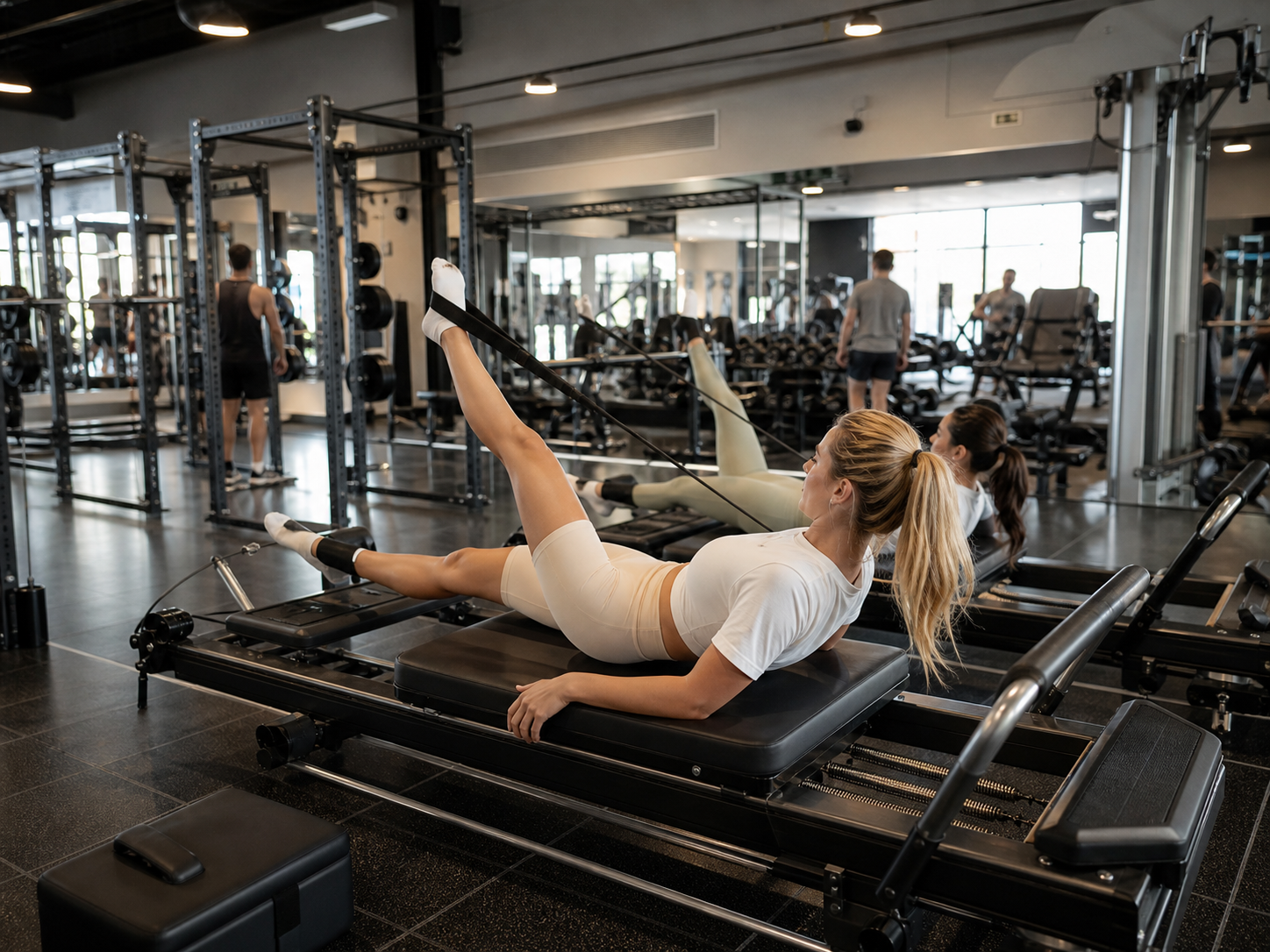
If you run a big box gym chain, it is easy to think of pilates as just another category on the timetable. Another room. Another class format. Another way to add value to the membership.
But that is often where the real opportunity gets lost.
A pilates studio inside a larger gym is not just another part of the gym. It is the little box inside your big box. And if you want it to perform like a boutique fitness business, you need to let it behave like one.
That does not mean spinning it off into a separate company or pretending it has nothing to do with your broader brand. It means recognising that the client expectation is different.
Because it is.
People walking into a pilates studio are often looking for something a little softer, a little calmer, and a little more considered than what they expect from a traditional gym environment. They are not just buying access to equipment or squeezing in a workout between errands. They are buying routine, atmosphere, confidence, and a sense that the experience has been designed with care.
That changes everything.
It changes how they want to book. It changes how they want to be spoken to. It changes how they respond to offers, memberships, trainer relationships, class reminders, waitlists and cancellations. It even changes what “good service” looks like.
In a gym context, efficiency is often the goal. Fast check-in. Broad access. High volume. Self-service everywhere.
In a pilates context, the best experiences feel more personal than procedural. Clients want the convenience, of course. But they also want the experience to feel curated. They want to understand the class types. They want to know who is teaching. They want a booking flow that feels simple and modern, not like they have wandered into a system built for treadmills, turnstiles and generic group fitness.
This is where many big box operators accidentally flatten the value of what they have built.
They invest in a beautiful reformer room. They bring in strong instructors. They see real demand. Then they run the whole thing through the same operating model as the rest of the gym.
Same tone. Same booking friction. Same broad-brush experience.
And suddenly the pilates studio feels less like a boutique wellness product and more like a department.
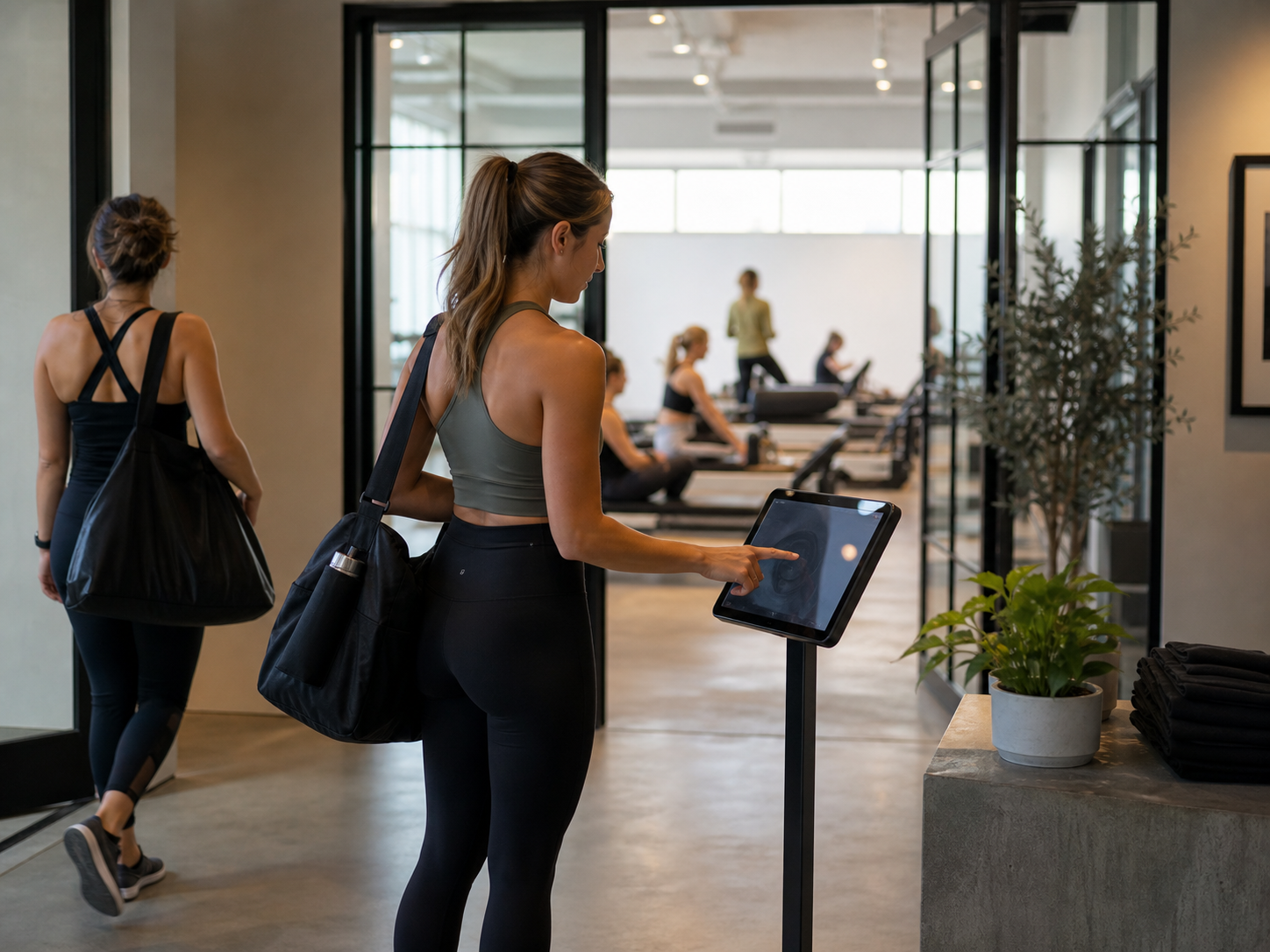
That is a problem, because boutique fitness value is not created by equipment alone. It is created by the feeling around the product.
Boutique studios understand this instinctively. They know that the experience starts before the client walks through the door. It starts when someone taps through from Instagram. When they look at the timetable on their phone. When they buy an intro offer. When they see a trainer profile. When they get a reminder. When they join a waitlist and trust the process. When they decide whether this place feels like somewhere they want to come back to twice a week.
That experience matters just as much inside a gym chain as it does in a standalone studio.
Maybe more.
Because when a big box gym gets boutique pilates right, it unlocks something unusually powerful. You get the scale, reach and infrastructure of the larger business, but you also get the margin, loyalty and premium feel of a more specialised offering.
In other words, you stop treating pilates as an add-on and start treating it as a business within the business.
That is where Clovo fits.
Clovo is built around the way boutique fitness businesses actually operate. Branded booking experiences, mobile-friendly class discovery, landing pages, memberships, credit packs, intro offers, waitlists, reminders, trainer visibility, direct bookings and the day-to-day operational details that make a studio feel polished rather than patched together.
For a gym chain, that means your pilates studio does not have to feel like a side menu item buried inside a giant all-purpose system. It can feel like its own destination.
Same parent brand. Same commercial strategy. Same big box behind the scenes.
But on the client side, the little box gets to act like the boutique business it really is.
That distinction is not cosmetic. It changes behaviour.
When the pilates offer feels distinct, it is easier to position it as premium. It is easier to sell memberships and packs in a way that makes sense for the product. It is easier to build loyalty around instructors and class routines. It is easier to create a calmer, more wellness-oriented relationship with the client instead of forcing everything through a high-volume gym lens.
And importantly, it lets you meet people where they already are.
Pilates clients are not confused about what they want. They already know how they expect a pilates studio to feel. If your experience lines up with that expectation, trust builds quickly. If it does not, they notice just as quickly.
The chains that get the most value from pilates will be the ones that understand this.
Not the ones that simply add reformers to the floorplan.
Not the ones that list pilates next to spin and circuit on the class grid and call it a strategy.
The ones that recognise they are really running two experiences at once: the big box, and the little box inside it.
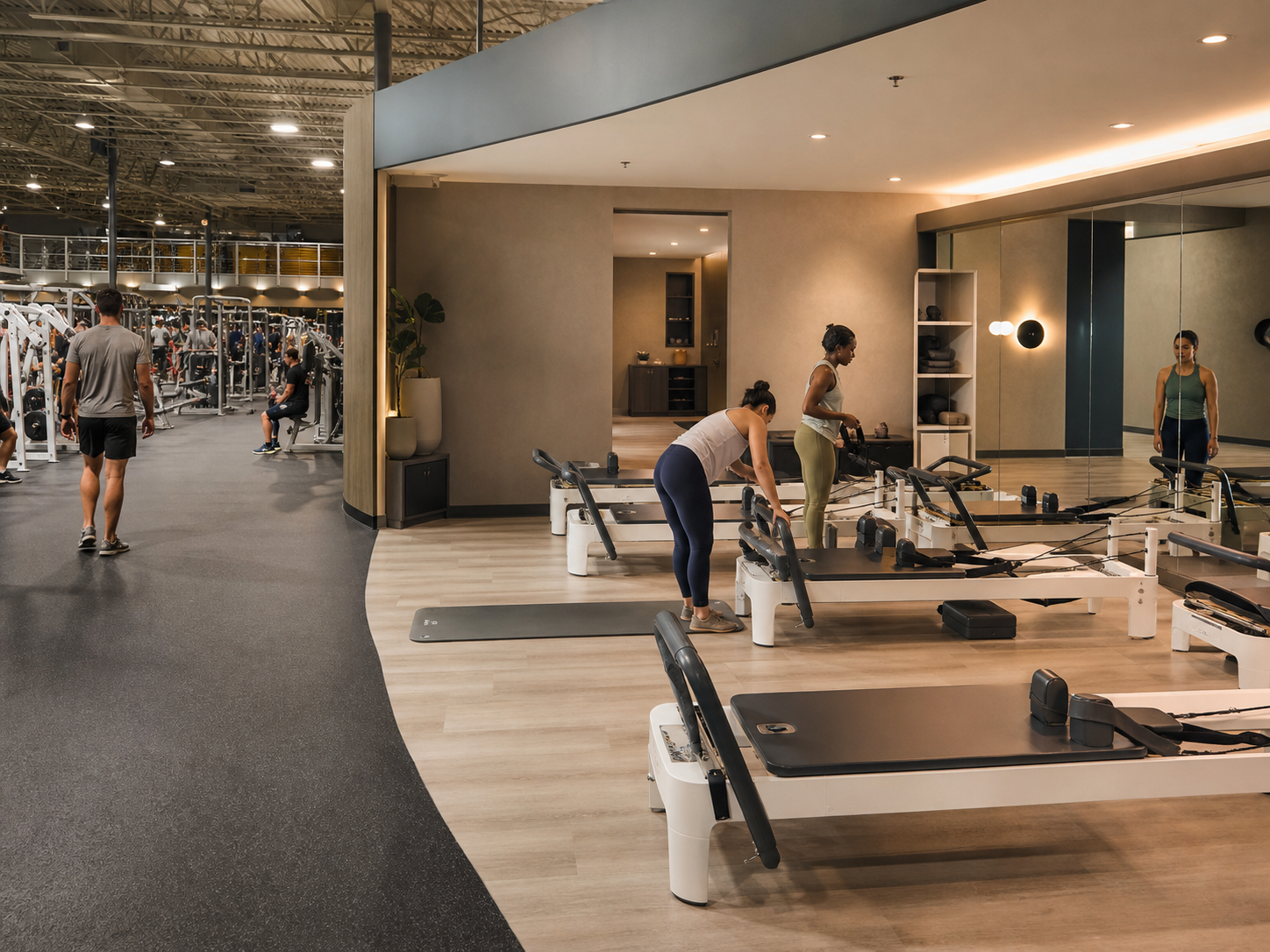
The big box is about scale.
The little box is about feel.
The big box is about broad access.
The little box is about a more intentional client journey.
The big box gets people in the door.
The little box gives them a reason to stay, spend more, and build a habit around something that feels personal.
That is the opportunity.
Clovo helps big operators protect what makes boutique pilates special without giving up the advantages of scale. It gives the little box the systems it needs to feel like a real studio, not just another room inside the building.
And when that happens, clients respond the way boutique clients usually do.
They engage more deeply. They value the offer properly. They come back.
That is not a small shift.
That is the difference between having a pilates room in your gym and running a pilates business inside your gym.